Every time a Queensland casino submits its monthly gaming floor report, a quiet bit of infrastructure is doing the heavy lifting. For the punters sitting down with a coffee on a Cairns arvo, these casino regulatory reporting requirements are invisible until something goes sideways. I’ve spent twenty years building games for land-based floors, social apps, and iGaming products, and the reporting chain is the same discipline everywhere: record, verify, escalate. When it works, you just play. When it doesn’t, the house has to answer for it.
How the reporting chain actually runs

The paperwork trail starts long before a card hits the felt. Every table game, every electronic machine, and every digital wagering session feeds into a ledger that the regulator can audit. In practice, casino regulatory reporting requirements cover transaction logs, payout thresholds, self-exclusion flags, and responsible gambling triggers. The operator has to show the numbers match the floor, and the floor has to match what the player actually saw. I’ve sat through enough licensing meetings to know the difference between a polished dashboard and a real audit trail – one looks tidy, the other survives a Friday afternoon grilling from a compliance officer who’s read every line.
For an Australian player, the relevant bit is what gets reported about you. Win/loss summaries, deposit patterns, and session lengths all sit in a system that the operator must keep accurate and available. If a player flags a concern or self-excludes, that status has to travel through the reporting stack without slipping. The whole point is that the numbers are traceable, not just stored. You don’t need to read the fine print to benefit from it, but it helps to know the paper trail exists.
- Transaction logs for every wager and settlement
- Payout and jackpot records with timestamps
- Self-exclusion and harm-minimisation flags
- Responsible gambling intervention notes stay casino login
- Periodic summaries submitted to the kevinwoolsey.com regulator
What gets reported, and what it means for a punters
The data that travels up the chain
The reporting stack isn’t a single form – it’s a stack of records that have to reconcile. A land-based operator logs every table deal and machine spin, then reconciles it against cash-in, cash-out, and any void or correction. I’ve built social games where the same principle shows up in a thinner form: every virtual chip movement is logged because the moment you can’t reconstruct a session, you’ve lost the plot. Online, the same discipline carries over, just with more timestamps and more automated checks. The operator reports what happened, when it happened, and who it happened to, then the regulator checks that the picture is consistent.
Loot boxes in video games have sparked global debate over whether they are a form of gambling, and that debate has pushed reporting expectations tighter around anything that looks like a paid chance mechanic. The lesson operators have taken is straightforward: if a transaction can be disputed, it needs to be reconstructable from the records. That means clear event logs, intact session data, and a trail that doesn’t depend on someone remembering what they clicked.
Where player-facing records meet the floor
For a player, the useful part is what the reporting system can show when something needs checking. A win that doesn’t land, a bonus that doesn’t match the terms, or a session that feels off – those are the moments where the paper trail matters. Grace Phillips, Managing Partner, Eucalypt Digital Advisory, puts it plainly: “The reporting layer only earns trust when a player can see their own history without needing a compliance degree to read it.” That’s the usability test. If the records exist but the player can’t make sense of them, the system is doing its job for the regulator and missing the person who actually played.
Alice Evans, Product Analytics Lead, Australian Gaming Futures, flags the other side of the same coin: “Reporting quality is only as good as the edge cases it catches, because the smooth sessions are never the ones that need explaining.” In other words, the boring logs are the easy part. The value shows up when a deposit pattern shifts, a self-exclusion needs to stick across products, or a disputed settlement has to be pulled apart without losing the thread. For an Australian player, that means the operator’s reporting setup is part of the safety net, not just a back-office chore.
Matching the reporting setup to how you actually play
The right fit depends on how you play and what you’d want to see if something needed checking. If you’re the sort who logs on for a quiet session after work and mostly wants a clean record of what you deposited and what you took out, you’re looking for an operator whose reporting is easy to read, not just thorough behind the scenes. If you play across a couple of products and want your self-exclusion and limits to carry through properly, the reporting stack has to be tight enough that a flag doesn’t get lost between systems. And if you’ve ever had a settlement feel off, you’ll appreciate a setup where the event log can be pulled and read without turning it into a project.
Adam Green, iGaming Regulatory Consultant, Sunburnt Country Interactive, sums up the practical call: “A reporting framework that can’t answer a player’s simple question in plain language is doing compliance work and skipping the human bit.” That’s the judgement call I’d make from the creative side too: the nicest interface in the world doesn’t fix a weak audit trail, and the strongest audit trail still needs to be readable at the table or on the phone. For a Cairns local popping in for a session or a player joining from home on a weeknight, the thing that matters is whether the records are there, accurate, and usable when you need them.
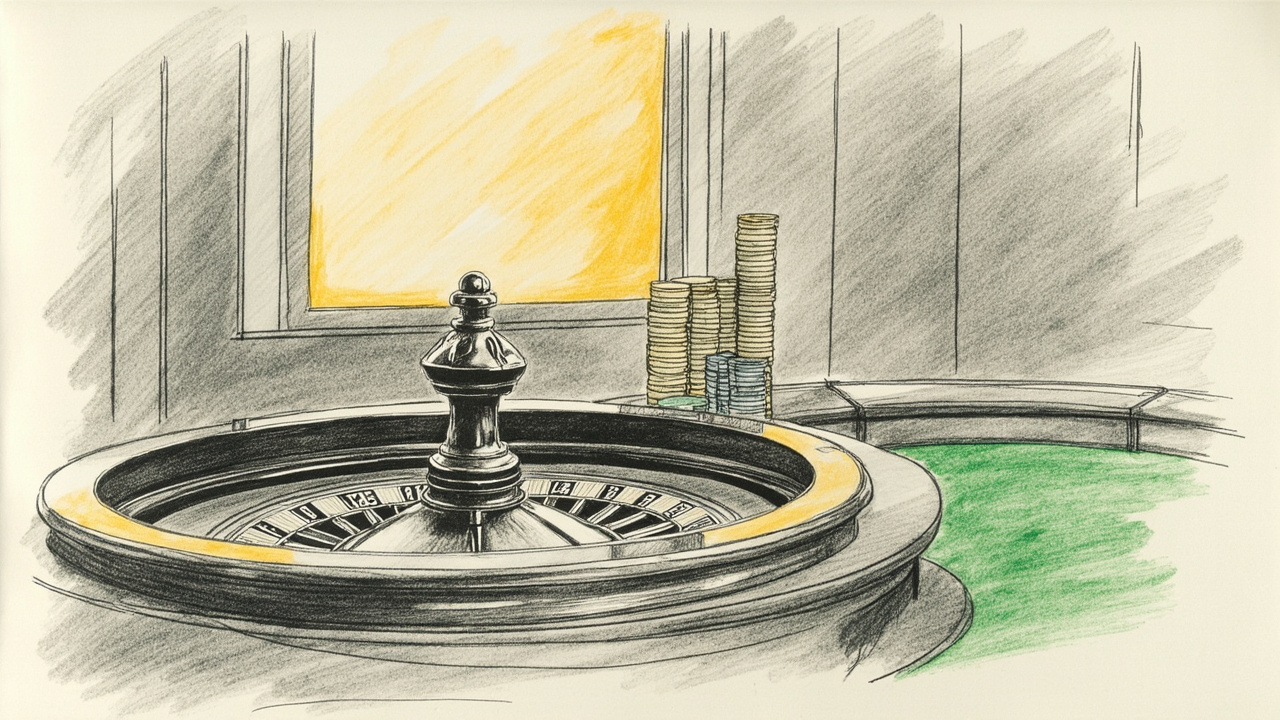
The verdict is straightforward: casino regulatory reporting requirements are the boring bit that keeps the whole thing honest, and you feel them most when something needs sorting. Pick an operator whose reporting you can actually read, not just one that claims it exists, and you’ll have a clearer picture of your own play without needing to chase anyone down.